
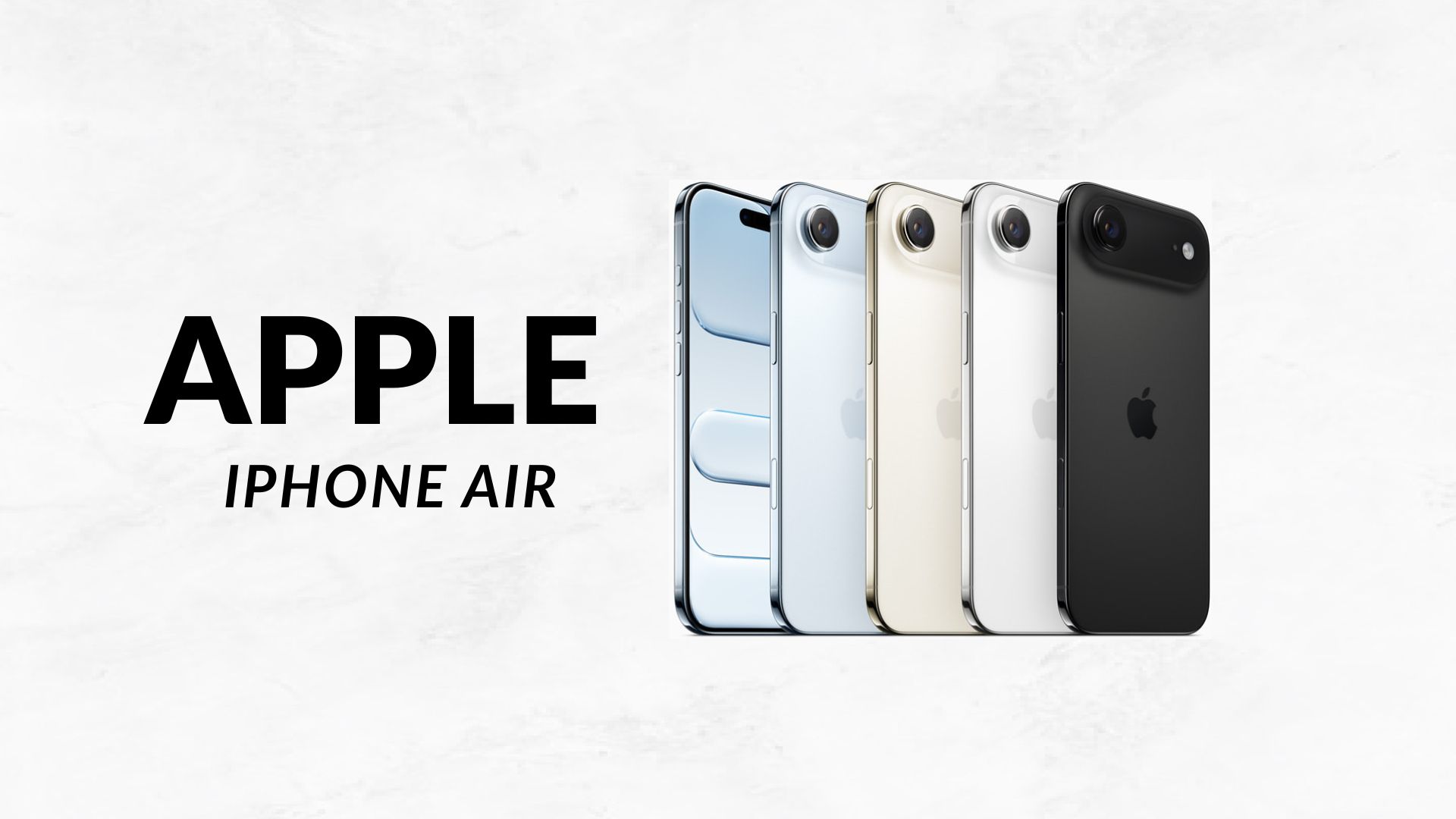
The Apple iPhone Air is Apple’s boldest design experiment in years, focusing on an ultra-thin body while still delivering flagship-level performance. But is the iPhone Air actually worth buying in 2026, or is it more style than substance?
In this in-depth Apple iPhone Air review, we’ll break down its design, display, performance, battery life, camera quality, and accessories — and help you decide whether to buy it or skip it based on your real-world needs. Click here to go to Amazon.com
Table of Contents
Quick Recommendation
Best for most users who want a premium, lightweight iPhone
Why the iPhone Air stands out
- Extremely thin and lightweight design
- Smooth 120Hz OLED display
- Powerful Apple A-series performance
- Long software support from Apple
👉 Check the latest price and deals before you buyDesign and Build Quality
Apple iPhone Air vs Alternatives (Quick Comparison)
The table below compares the Apple iPhone Air with its closest alternatives to help you decide which phone is best for your needs.
| Phone | Best For | Key Strength | Buy |
|---|---|---|---|
| iPhone Air | Style + daily performance | Ultra-thin design, 120Hz OLED | Check Price |
| iPhone 16 Pro | Camera lovers | Telephoto & ultra-wide lenses | Check Price |
| Galaxy S25 | Android users | Customization & zoom camera | Check Price |
👉 If design and light weight matter most, the iPhone Air is the clear winner.
Design and Build Quality
Design is where the iPhone Air truly shines. At just over 5.5 mm thin, it’s one of the slimmest smartphones Apple has ever produced. The titanium frame keeps the phone sturdy while reducing overall weight, making it extremely comfortable for long daily use.
Despite the slim profile, Apple hasn’t cut corners on durability. The front and back are protected by Ceramic Shield, and the phone feels premium the moment you pick it up.
What you’ll love
- Feather-light feel in hand
- Premium materials and finish
- Easy one-handed use despite large screen
Things to note
Speakers aren’t as loud as thicker Pro models
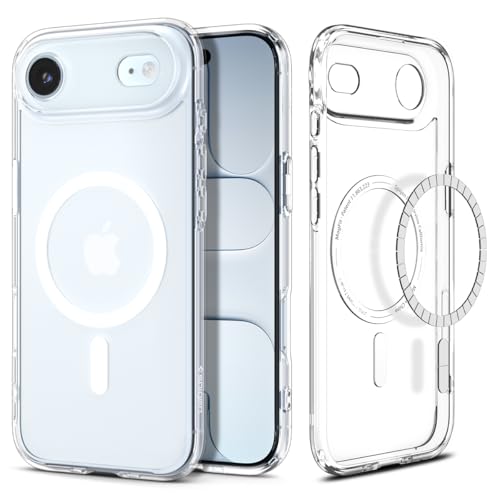
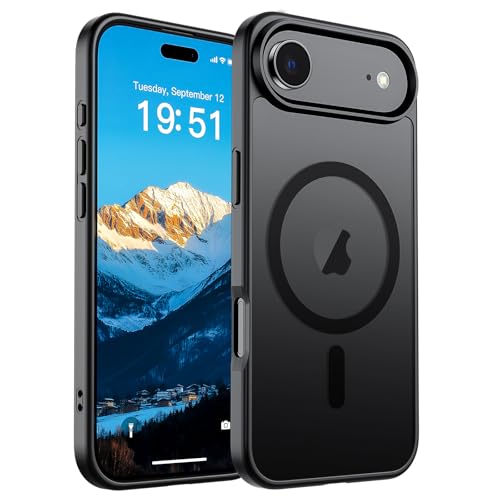
Thin phones can feel slippery without a case

- This phone is unlocked and compatible with any carrier of choice on GSM and CDMA networks (e.g. AT&T, T-Mobile, Sprint, …
- Please check with your carrier to verify compatibility.
- When you receive the phone, insert a SIM card from a compatible carrier. Then, turn it on, connect to Wi-Fi, and follow …
Display
The iPhone Air features a 6.5-inch Super Retina XDR OLED display with ProMotion 120Hz, making scrolling, animations, and gaming feel incredibly smooth.
Brightness is excellent for outdoor use, and color accuracy is among the best in the smartphone market. Watching videos, browsing, and social media all feel premium and fluid.
Display highlights
- 120Hz refresh rate for smooth performance
- Sharp OLED panel with deep blacks
- Excellent outdoor visibility
This display alone makes the iPhone Air feel like a true flagship, even without “Pro” branding.
Performance and Hardware
Powered by Apple’s latest A-series chip, the iPhone Air delivers fast, reliable performance for everyday tasks and demanding apps alike.
Apps open instantly, multitasking is seamless, and even heavy games run smoothly with stable frame rates. More importantly, Apple’s software optimization ensures the phone stays fast for years.
Real-world performance
- Smooth multitasking
- Lag-free gaming
- Excellent long-term performance
For most users, the iPhone Air is more than powerful enough — even without “Pro”-level hardware.ware optimization and raw power keeps the device running smoothly across everyday tasks and advanced workloads. Even though it is extremely thin, the phone manages thermals well thanks to Apple’s internal structural redesign, keeping heat under control during prolonged use.

Camera System
The iPhone Air uses a 48 MP single rear camera, and while it lacks multiple lenses, Apple’s image processing does a lot of heavy lifting.
Photos are sharp, well-balanced, and consistent in good lighting. Low-light performance is respectable, though not class-leading.
Camera strengths
- Excellent daytime photos
- Natural colors and strong HDR
- High-quality video recording
Limitations
- No telephoto or ultra-wide lens
- Not ideal for advanced photography
For casual users and social media creators, the camera is more than good enough. Power photographers should consider Pro models instead.
Front Camera and Face ID
The front camera delivers clear selfies and smooth video calls, with Apple’s Center Stage keeping you framed during video chats.
Video quality remains a strong point, making the iPhone Air great for:
- FaceTime calls
- Social media videos
- Casual content creation
Selfies appear detailed, well-lit, and balanced, even in challenging lighting environments. The front-facing SL 3D sensor system continues to power Face ID, which works quickly and reliably in both bright and low-light conditions.
Battery Life and Charging
Given its ultra-thin profile, the iPhone Air’s 3149mAh battery is surprisingly capable. Apple’s efficiency improvements, LTPO screen, and A19 Pro architecture help maximize endurance. The device achieves:
- 12 hours 44 minutes of active use
- 40-hour endurance rating
- Up to 1000 charge cycles
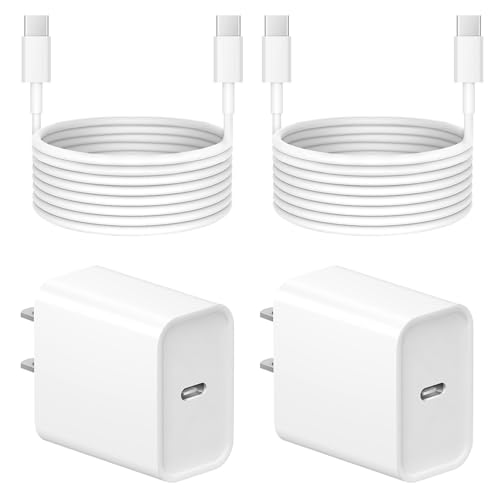
For charging, Apple provides:
- Fast wired charging (50% in 30 minutes via PD 2.0)
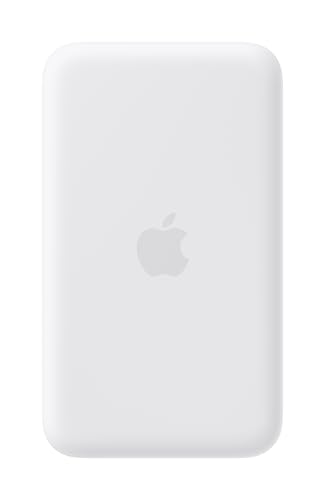
- 20W wireless MagSafe / Qi2
- 4.5W wired reverse charging
While not the largest battery on the market, it performs consistently and comfortably lasts a full day for average users.

Connectivity and Additional Features
The iPhone Air supports a wide range of modern connectivity and location technologies, including:
- Wi-Fi 7
- Bluetooth 6.0
- USB-C
- 5G with global band support
- Second-generation Ultra Wideband
Apple’s emergency satellite features continue to evolve and include SOS, text messaging, and Find My satellite tracking. It supports major navigation systems such as GPS, GLONASS, GALILEO, QZSS, BDS, and NavIC.
The phone also includes advanced sensors like an accelerometer, barometer, proximity sensor, gyroscope, and the well-known Face ID system.
Pros & Cons
✅ Pros
- Ultra-thin, lightweight premium design
- Smooth 120Hz OLED display
- Strong everyday performance
- Long-term software updates
❌ Cons
- Single rear camera only
- Battery life is average
- Premium price for fewer features
Who Should Buy the iPhone Air?
Buy this phone if you:
- Want the thinnest and lightest iPhone
- Care about premium design and comfort
- Use your phone mainly for daily tasks, media, and social apps
- Prefer long-term reliability and resale value
Who Should Skip It?
Skip this phone if you:
- Want advanced camera features (zoom, ultra-wide)
- Are a heavy gamer or power user
- Prefer larger batteries over slim design
- Need physical SIM card support
Frequently Asked Questions (FAQs)
Is the iPhone Air worth buying in 2026?
Yes, if you value design, smooth performance, and long-term reliability over advanced camera features.
Does the iPhone Air support dual SIM?
It supports eSIM but does not include a physical SIM slot.
Is battery life good enough for a full day?
For moderate users, yes. Heavy users should consider a MagSafe battery pack.
Is the iPhone Air better than the Pro model?
The Air is better for design and comfort; the Pro is better for cameras and power users.
Final Verdict: Should You Buy the iPhone Air?
The Apple iPhone Air is not about having every feature — it’s about delivering a beautiful, lightweight, premium experience that feels great to use every single day.
If you prioritize design, display quality, and smooth performance, the iPhone Air is an excellent choice in 2026. Just be aware of the camera and battery trade-offs before buying.
👉 Check the latest deals and prices now — discounts can make this phone an even better value.


Leave a Reply to webdesign freelancer hamburg Cancel reply